
Oman preserves heritage and natural beauty over skyscraper skylines
 supriyatunk
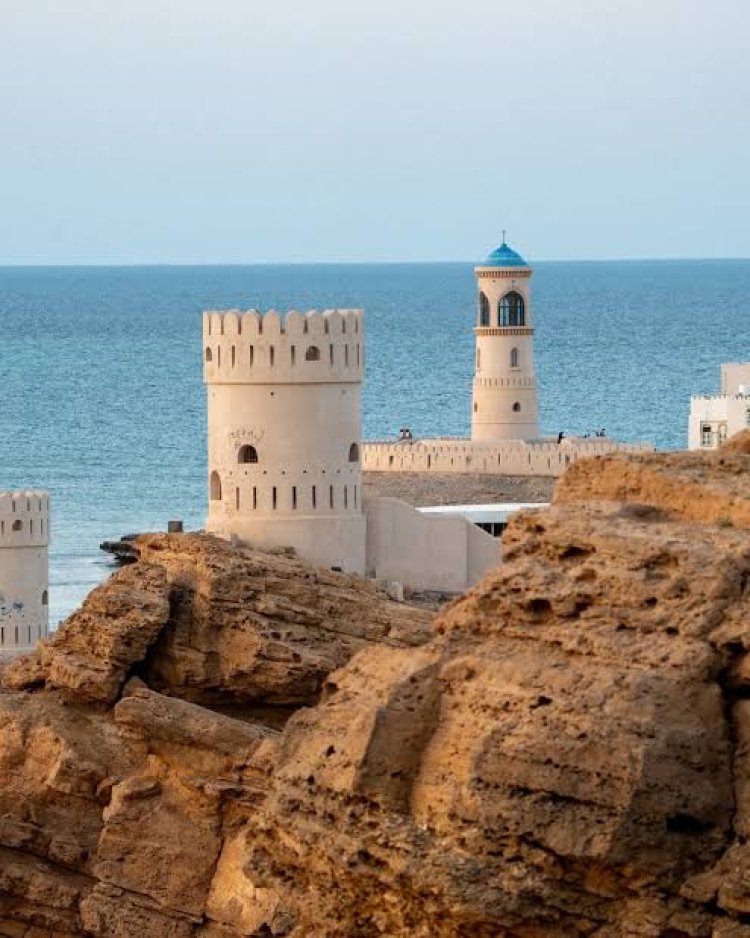
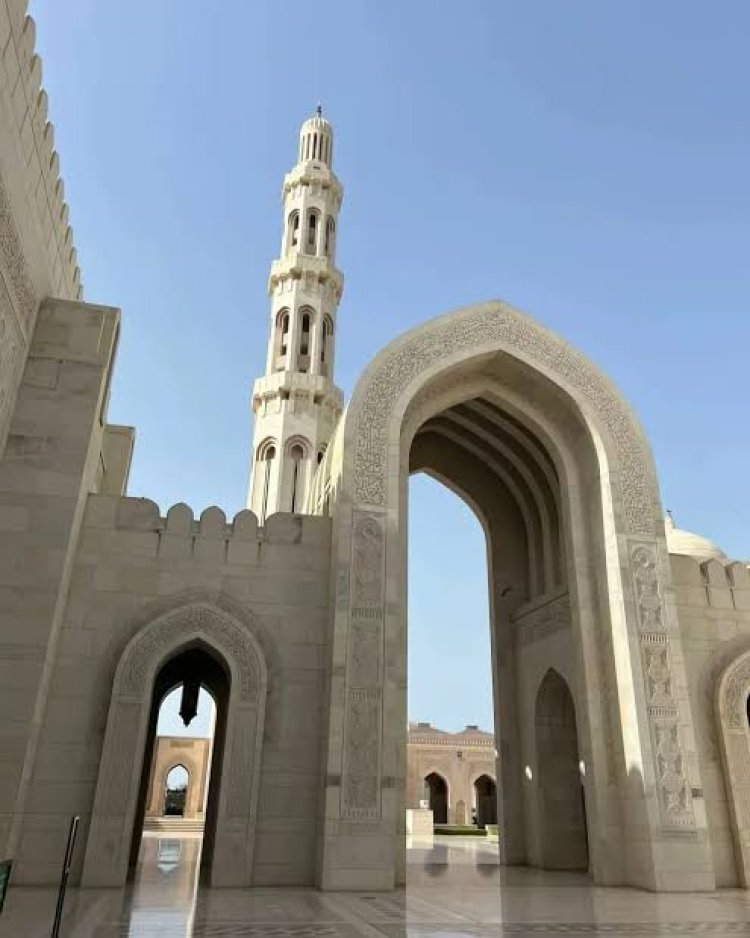
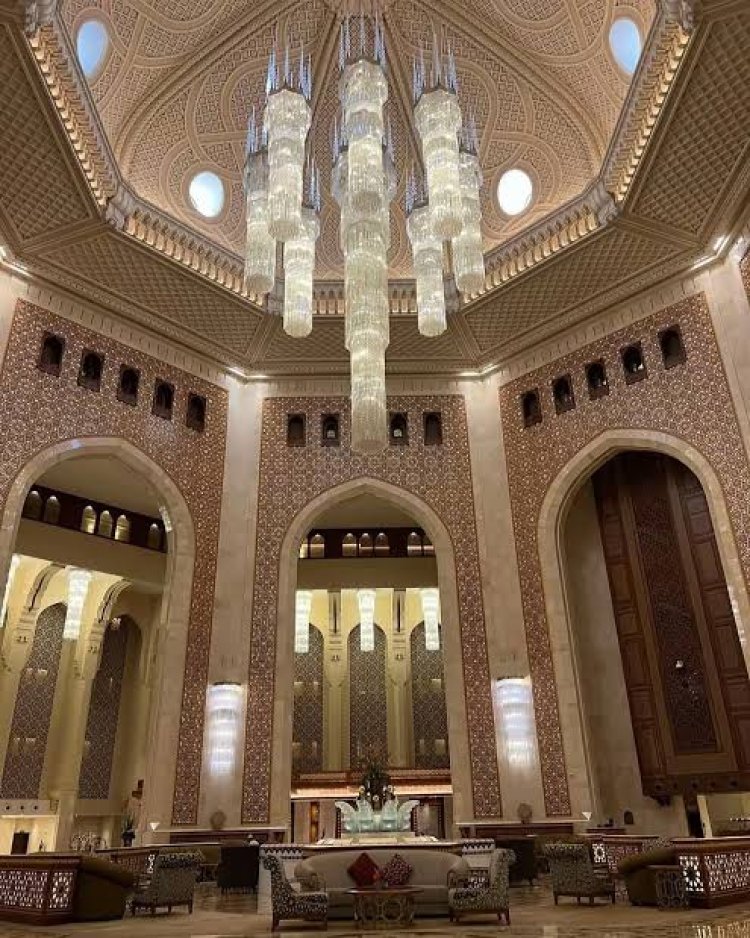
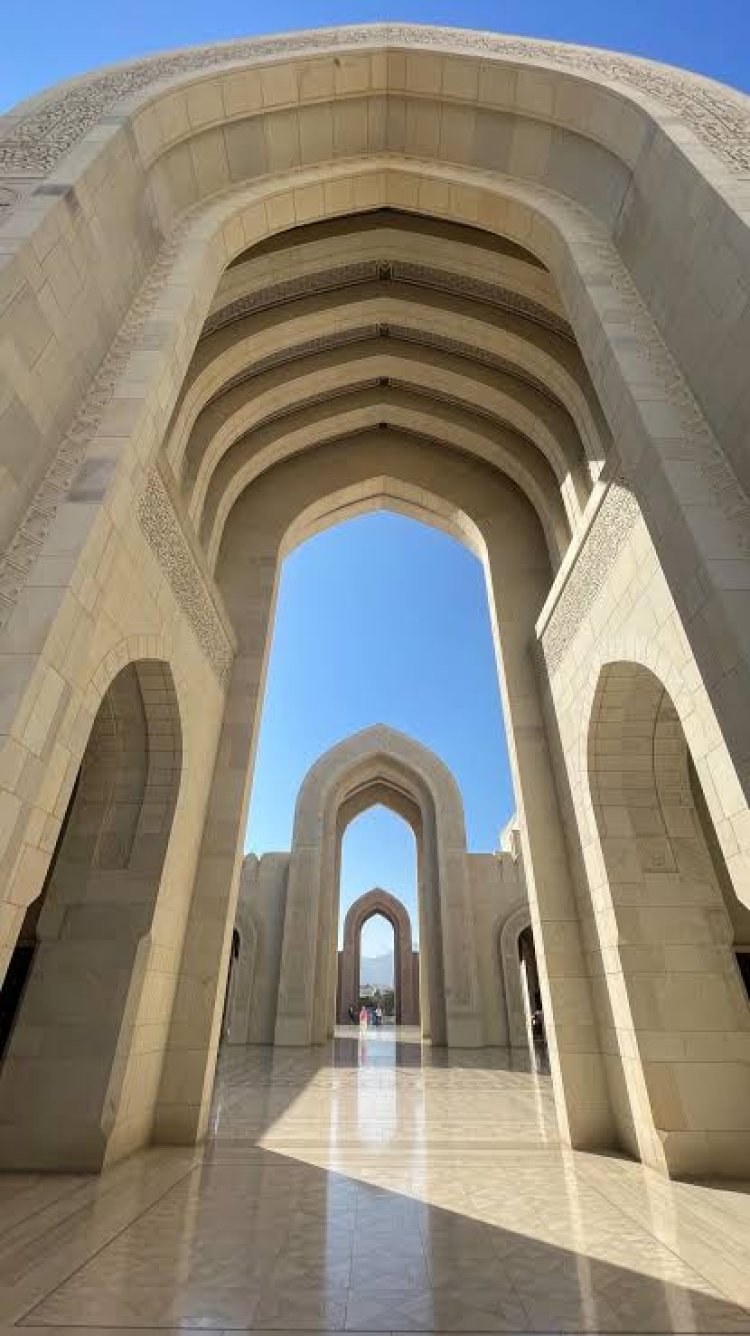
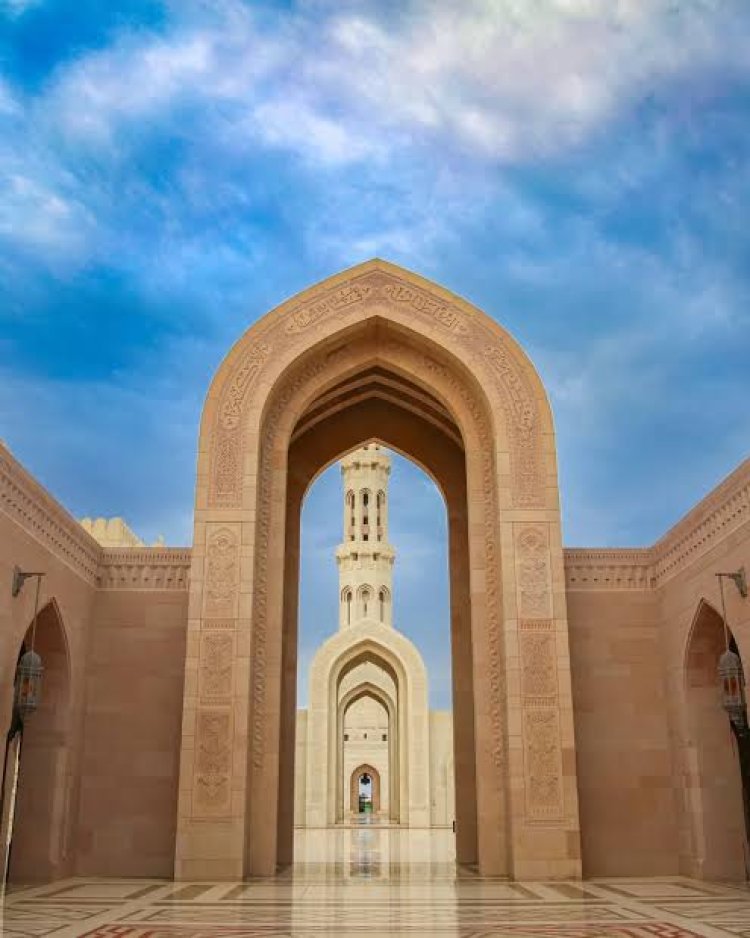
In an era when cities around the world compete to build ever-taller skyscrapers, Oman has chosen a markedly different path. The Sultanate is one of the few countries globally where high-rise towers do not dominate the skyline, reflecting a deliberate national approach that prioritizes heritage, environmental harmony, and human-scale urban living.
Oman’s planning philosophy is deeply rooted in respect for its natural surroundings. The dramatic Al Hajar Mountains form a striking backdrop to many towns, while vast desert landscapes, including the rolling dunes of Wahiba Sands, remain largely untouched by overdevelopment. Along the coast, pristine beaches and rugged cliffs continue to define the country’s natural character, free from dense clusters of towering buildings.
Urban centers such as Muscat follow strict building height regulations, ensuring that modern development blends seamlessly with traditional architectural styles. Whitewashed low-rise structures, arched windows, and understated designs preserve visual continuity and prevent the skyline from overwhelming the natural terrain. This approach allows the mountains, sea, and sky to remain the dominant features rather than concrete and glass towers.
Equally central to Oman’s identity is its rich cultural heritage. Historic forts such as Nizwa Fort and Bahla Fort stand as reminders of the country’s past, while traditional souks continue to thrive as centers of commerce and community life. Grand mosques, including the Sultan Qaboos Grand Mosque, reflect architectural elegance rooted in Islamic tradition rather than modern extravagance.
By limiting vertical expansion, Oman has also fostered calmer, more livable cities. Streets are designed for accessibility, neighborhoods retain a strong sense of community, and public spaces feel open and unhurried. The result is an urban experience that values quality of life over rapid, high-density development.
Oman’s choice to preserve its landscape and cultural identity over skyscraper skylines sets it apart in the region and beyond. It offers a compelling model of development where progress does not come at the cost of heritage, and where modernity exists in balance with history and nature.