Bahrain announces wide-ranging fiscal reforms for 2026–2027 to reduce oil dependence
 supriyatunk
Bahrain is set to implement a comprehensive fiscal reform program spanning 2026 and 2027, aimed at strengthening public finances, diversifying government revenue, and reducing long-term reliance on oil income. The measures form part of the kingdom’s broader strategy to achieve fiscal balance and enhance economic sustainability.
The reform plan introduces a mix of cost rationalization, revenue-enhancing measures, and structural changes affecting households, businesses, and government entities. Several key changes come into effect between December 30, 2025, and January 2026, with additional reforms scheduled for 2027.
Reforms effective from late 2025 and January 2026
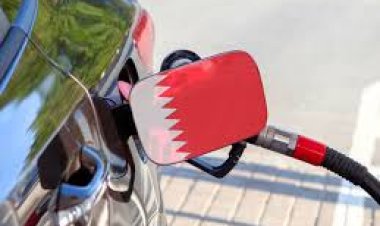
Fuel prices were increased from December 30, 2025, as Bahrain moves to better align domestic energy prices with international market levels. The adjustment is intended to improve subsidy efficiency and reduce fiscal pressure on the state budget.
Electricity and water tariffs for both residential and commercial users rose from January 2026. The government said the move aims to promote more responsible consumption of natural resources while ensuring the long-term sustainability of utility services. Sewerage service fees were also increased during the same period to better reflect operational and infrastructure costs.
As part of labor market reforms, fees related to employing foreign workers were raised. This measure is designed to regulate expatriate labor inflows and encourage greater employment of Bahraini nationals across sectors.
On the expenditure side, all government agencies have been instructed to implement a 20% reduction in administrative costs. The directive seeks to streamline public sector operations, improve efficiency, and curb non-essential spending.
State-owned enterprises will also play a larger role in supporting public finances. Under the new framework, government-owned companies are required to increase their contributions to the national budget, strengthening non-oil revenue sources.
Key reforms planned for 2027
From 2027, Bahrain will introduce a 10% corporate tax, marking a major shift in the country’s revenue structure. The tax is expected to become a significant and stable source of non-oil income, aligning Bahrain with regional and global fiscal practices.
Additional measures planned for 2027 include new fees on land designated for investment purposes, aimed at improving land-use efficiency and generating additional government revenue.
The government also plans to introduce taxes on soft drinks and other sweetened beverages. Beyond revenue generation, the policy is intended to encourage healthier lifestyle choices and address public health concerns.
Long-term fiscal strategy
Together, these reforms represent one of Bahrain’s most ambitious fiscal adjustment efforts in recent years. By combining spending discipline with new revenue measures, the government aims to strengthen fiscal sustainability, reduce vulnerability to oil price fluctuations, and support long-term economic stability.
Authorities have indicated that the reforms are designed to balance fiscal responsibility with economic growth, as Bahrain continues its transition toward a more diversified and resilient economy.