Qatar backs Kuwait in maritime dispute, rejects Iraq’s UN border submission
 supriyatunk
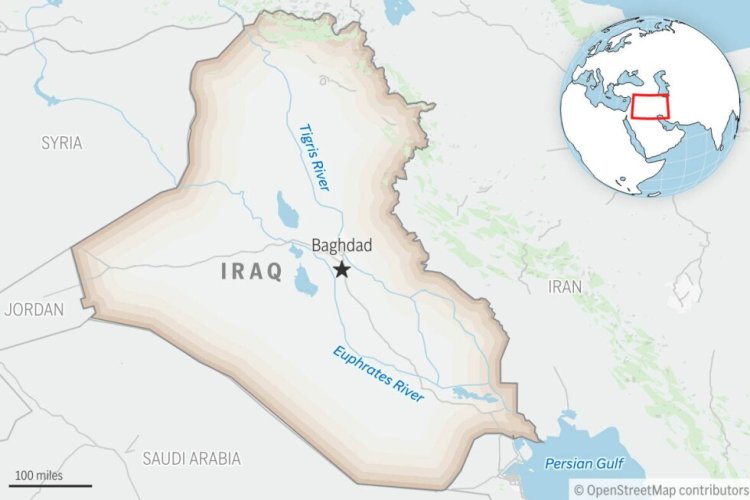
The Ministry of Foreign Affairs of Qatar issued an official statement on 22 February 2026 declaring full solidarity with Kuwait and rejecting Iraq’s recent maritime border submission to the United Nations.
The Iraqi submission
Earlier this year, Iraq submitted updated geographic coordinates and a revised maritime map to the UN Secretary-General in January and February 2026. Baghdad maintains that the updates are in compliance with the United Nations Convention on the Law of the Sea (UNCLOS), adopted in 1982.
However, both Kuwait and Qatar argue that the new submission infringes upon Kuwaiti sovereignty, particularly in relation to maritime zones and so-called “fixed and stable” elevations, including Fasht Al-Qaid and Fasht Al-Aij.
Qatar’s position
Doha stressed that maritime boundary issues must be resolved strictly in accordance with international law, particularly UNCLOS, while respecting existing bilateral agreements and memoranda of understanding. The statement underscored the importance of dialogue and legal frameworks to safeguard regional stability.
Qatar’s stance forms part of a broader diplomatic alignment within the Gulf Cooperation Council (GCC).
Wider GCC response
-
Saudi Arabia expressed “high interest and concern,” stating that Iraq’s submission encroaches on the Saudi-Kuwaiti Neutral Zone.
-
The United Arab Emirates and Bahrain issued statements backing Kuwait’s “legitimate rights” and calling for diplomatic solutions.
-
GCC Secretary-General Jasem Al-Budaiwi urged Iraq to withdraw the deposited coordinates and map from the UN.
In response to the filing, Kuwait summoned Iraq’s chargé d'affaires on 21 February 2026 and delivered a formal protest note, signalling the seriousness of the dispute.
The developments highlight renewed maritime tensions in the Gulf, with regional powers emphasizing adherence to international law and negotiated settlements to prevent escalation and maintain stability.