
Indian expats in UAE begin receiving chip-enabled e-passports for faster, secure travel
 supriyatunk
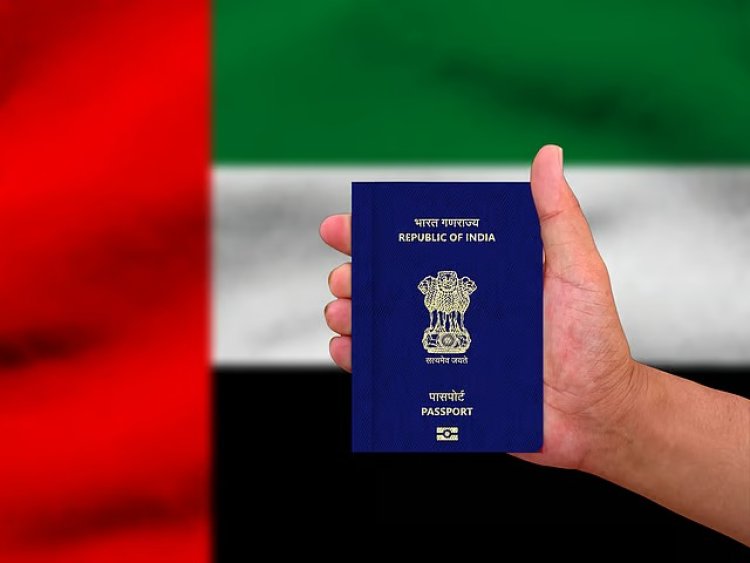
Indian expats in the UAE are now receiving chip-enabled e-passports, marking a major shift in travel documentation. The rollout by the Indian Embassy in Abu Dhabi and the Consulate in Dubai, beginning October 2025, introduces third-generation passports embedded with RFID chips that securely store biometric data, including facial images and fingerprints.
The move is part of India’s broader push toward secure, digital, and globally compatible travel documents, offering UAE-based travelers faster immigration clearance, enhanced protection, and smoother international journeys.
What is an e-passport?
An e-passport combines a traditional passport booklet with an embedded radio frequency identification (RFID) chip and antenna in the back cover. The chip securely stores the holder’s personal and biometric information using Public Key Infrastructure (PKI) encryption, allowing immigration authorities worldwide to verify identity quickly and reliably.
The rollout in the UAE began under the Passport Seva Programme (PSP) 2.0 in April 2024 and is now fully integrated into passport processing through the upgraded Global Passport Seva Portal.
Why are UAE-based Indians opting for e-passports?
Enhanced security
The encrypted chip prevents tampering, forgery, and identity theft. Biometric verification ensures the passport belongs to the rightful holder.
Faster immigration clearance
Indian e-passports are accepted at SmartGate and automated e-gates at major airports. Waiting times can drop from around 25 minutes to under five minutes.
In India, airports such as Delhi, Mumbai, and Bengaluru offer automated e-gates, while countries including the UAE, Singapore, and Australia allow Indian e-passport holders to use automated lanes for quicker processing.
Frequent flyers, professionals on regional assignments, and families traveling during peak seasons benefit the most from reduced queue times. Global compatibility and future-readiness e-passports comply with ICAO standards, making them compatible with automated border control systems worldwide. They also prepare travelers for digital visa initiatives such as the UK ETA and EU ETIAS.
How to identify an e-passport
Look for a small gold-colored chip symbol on the front cover; this indicates the presence of the embedded RFID chip. While the layout matches the 2021 redesigned passport, e-passports use a different numbering format (two letters followed by six digits).
How to apply in the UAE
From October 28, 2025, all passport applications are processed as e-passports through the Global Passport Seva Portal 2.0 (GPSP 2.0).
Application steps:
-
Register on the portal: https://mportal.passportindia.gov.in/gpsp
-
Log in and select the application type (fresh or re-issue).
-
Upload ICAO-compliant photographs and required documents.
-
Schedule an appointment at BLS International centers in Dubai or Abu Dhabi.
-
Submit the printed application and original documents at the center.
Important notes:
-
Renewals with no changes are quicker, as previous passport details auto-fill.
-
New passports (such as for babies born in the UAE) require manual data entry.
-
Applicants unfamiliar with digital systems may use typing centers, community organizations, or HR departments for assistance.
What happens to existing passports?
Traditional passports remain valid until expiry. Switching to an e-passport is optional but recommended, particularly for frequent travelers. Passport fees remain unchanged, and minor corrections can now be made at BLS centers without additional charges.
Are biometrics collected in the UAE?
UAE missions do not currently collect separate biometric data. Some biometric information is derived from ICAO-compliant photographs submitted during the application process.
Key takeaway
For Indian expats in the UAE, the chip-enabled e-passport represents a significant upgrade in travel convenience and security. With encrypted biometric protection, automated immigration access, and global recognition, the new passport ensures safer, faster, and smoother journeys, whether for business, study, or leisure.
Tip: Expats with passports expiring within the next 18 months may consider renewing early and opting for an e-passport to stay prepared for the growing adoption of automated border systems worldwide.