
UAE freezes prices of nine essential food items during Ramadan without prior approval
 supriyatunk
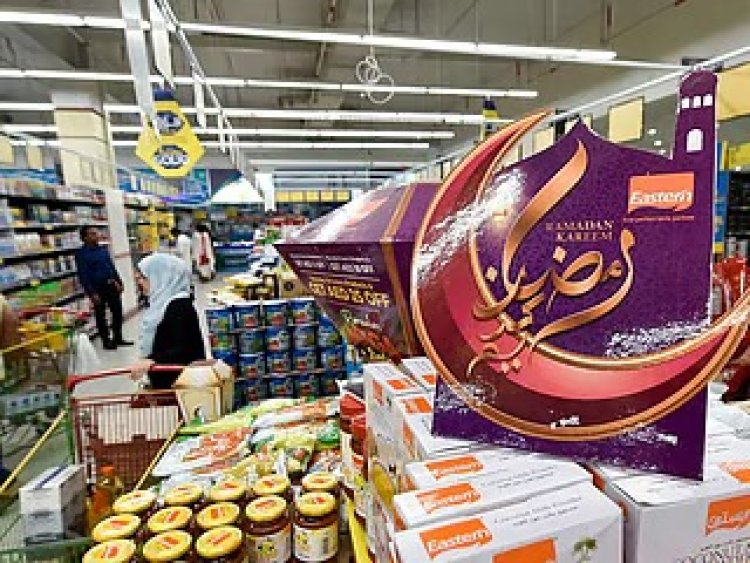
Shoppers across the UAE will not see price increases on nine essential food categories during Ramadan unless retailers obtain prior government approval, the Ministry of Economy and Tourism has confirmed ahead of the holy month. The move signals stricter market oversight during a peak household spending period and forms part of a nationwide plan to protect consumers and maintain price stability.
Nine essential categories protected
Under the ‘Pricing Policy for Essential Consumer Goods,’ retailers are prohibited from increasing prices of the following items without prior approval from the Ministry:
-
cooking oil
-
eggs
-
dairy products
-
rice
-
sugar
-
poultry
-
legumes
-
bread
-
wheat
All other goods will remain subject to regular supply-and-demand dynamics and competitive market mechanisms. The announcement was made during a media briefing by Abdulla bin Touq Al Marri, Minister of Economy and Tourism, who outlined coordinated federal and local efforts to ensure compliance across the country.
“Our goal is to increase compliance with consumer protection legislation and policies across all retail outlets in UAE markets, promote sound commercial practices, and enhance oversight of goods and products in the marketplace,” the minister said.
420 inspection tours planned
To reinforce compliance, the ministry will conduct 420 inspection tours and field visits during Ramadan in coordination with local economic development departments and suppliers nationwide. Additionally, 26 meetings will be held with major suppliers and importers to ensure the uninterrupted flow of essential goods.
Inspection teams will monitor pricing, verify adherence to regulations, and prevent commercial exploitation. Authorities warned that violations, including unauthorized price hikes, misleading data, manipulation of goods information, or collusion between suppliers and traders, will result in immediate legal action under a graduated system of administrative penalties.
Strategic stockpiles sufficient for over a year
Officials stressed that the UAE’s strategic food reserves remain strong and sufficient to meet demand throughout Ramadan and beyond. “The availability today, for all the products, can go beyond a year of usage,” Bin Touq said, noting that federal and local authorities have conducted extensive field visits to storage facilities to ensure preparedness.
He also highlighted the role of the UAE’s Comprehensive Economic Partnership Agreements (CEPA) in strengthening supply chains and maintaining stable imports amid global tariff tensions and trade uncertainties.
Strong legislative backing
The minister underscored that the price oversight measures are supported by Federal Decree-Law No. 5 of 2023, which amends provisions of the Consumer Protection Law (No. 15 of 2020). The updated framework imposes more than 43 obligations on suppliers, strengthens deterrent measures against violations, and aims to maintain a balanced relationship between businesses and consumers.
“We are committed to providing a conducive and safe environment for consumers when purchasing goods or services,” Bin Touq said, adding that the broader objective is to safeguard consumer rights while ensuring stability and balance in local markets.
With heightened inspections, supplier coordination, and strategic reserves in place, authorities say UAE markets are well-prepared to meet demand during Ramadan without unjustified price increases.