
Crater Glow Signals Rising Unrest at Philippines’ Mayon Volcano
 Ashwini Gambo
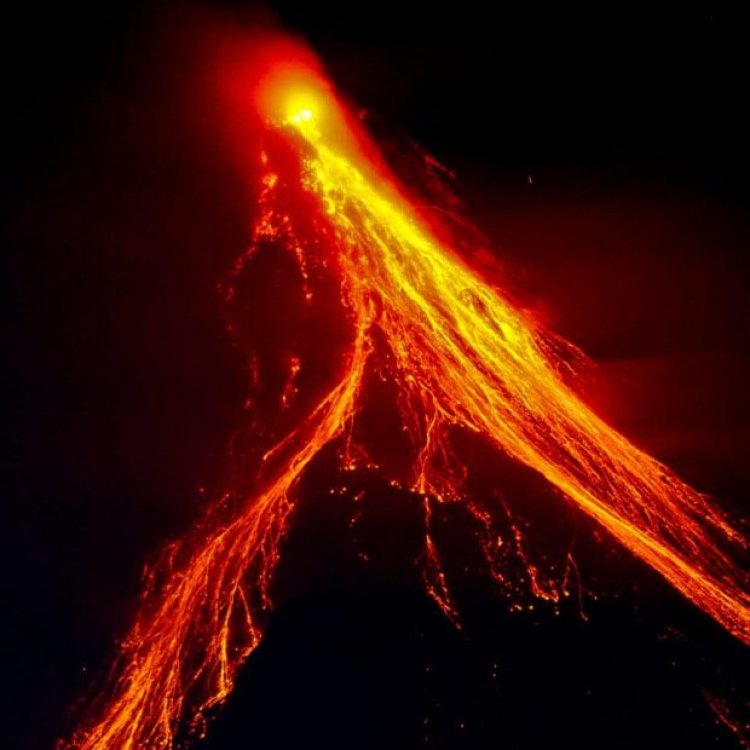
Mount Mayon in the Philippines has once again drawn attention as superheated volcanic gases and glowing magma illuminated the night sky, raising concerns over a possible escalation in eruptive activity.
The spectacle, locally referred to as “banaag” or crater glow, was observed on camera between 6:36pm and 7pm at the volcano’s summit in Albay province, around 550 kilometres southeast of Manila. The glow was caused by incandescent material from an active lava dome, as fresh magma reached the surface and released intense heat and gas.
According to the Philippine Institute of Volcanology and Seismology (PHIVOLCS), the lava dome continues to shed material through frequent rockfalls and short pyroclastic density currents (PDCs) locally known as uson which travelled down the Bonga Gully on the volcano’s southern flank.
PHIVOLCS has maintained Alert Level 3, indicating magmatic unrest and an increased likelihood of hazardous eruptions. Entry remains strictly prohibited within the 6-kilometre Permanent Danger Zone, where sudden explosions, lava flows and ashfall could occur.
Escalating volcanic activity-
Volcanic monitoring data shows a sharp increase in activity over recent days. PHIVOLCS recorded more than 130 rockfall events within 24 hours, driven by continued lava dome growth and rising magma pressure. Scientists noted that the current pattern resembles the volcano’s 2023 unrest, but with more pronounced ground deformation, suggesting stronger internal forces at work.
Since January 1, monitoring stations have logged 346 rockfalls and four volcanic earthquakes, with incandescent debris cascading down the southern slopes an early indicator of magmatic intrusion beneath the summit.
The volcano’s eastern and southeastern flanks have remained inflated since mid-2024, increasing the risk of dome collapse and more powerful pyroclastic flows. While no immediate large-scale eruption has been forecast, authorities warn that conditions could deteriorate rapidly.
Public safety concerns-
PHIVOLCS stressed that the crater glow and PDCs highlight the ongoing threat of lava flows, ashfall and sudden explosions, which could affect nearby communities. Residents living close to the danger zone have been urged to remain vigilant and comply with evacuation advisories.
Mayon is the Philippines’ most active volcano and has a history of devastating eruptions, including the 1814 event that buried entire villages and claimed thousands of lives.
Monitoring continues around the clock, with aviation alerts expanded due to the risk of ash emissions that could affect flight safety.