Qatar urges US to pursue diplomacy and ‘pathway of peace’ amid escalating regional crisis
 supriyatunk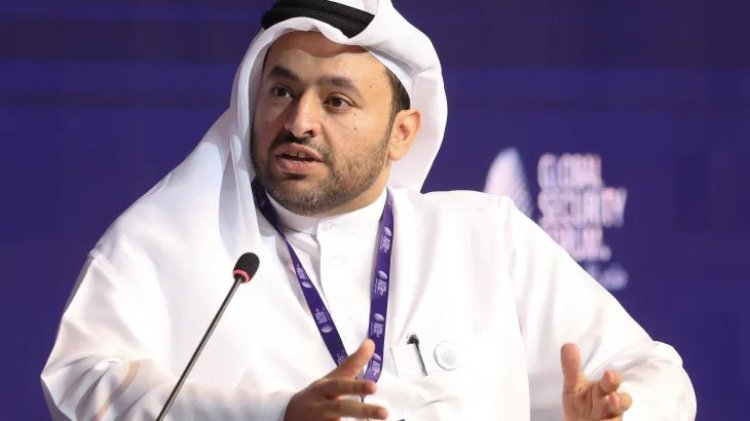
Mohammed bin Abdulaziz Al-Khulaifi said Qatar is maintaining open communication with the United States and urging Washington to steer the current regional crisis toward diplomacy, emphasizing that a “pathway of peace” and renewed negotiations are essential.
Speaking to Al Jazeera on Tuesday, the Qatari minister said Doha continues to encourage dialogue while raising concerns about attacks targeting Qatar and other Gulf states.
“We keep our line of communication as always open with our colleagues in the United States, and we keep encouraging them and supporting the pathway of peace and resolving conflicts through peaceful means,” Al-Khulaifi said. “We really hope that the parties can find that pathway and end the military operation and return back again to the negotiation table to meet the concerns of the parties.”
He added that the attacks on Qatar and other members of the Gulf Cooperation Council remain a serious concern that has been raised with international partners.
“When we’re talking about aggressions on Qatar and on the GCC countries, these are legitimate concerns,” he said, noting that the issue has been discussed within the GCC and with global partners.
The comments come amid escalating tensions following retaliatory strikes launched by Iran targeting U.S. interests and infrastructure across several Gulf countries starting February 28. The attacks followed a joint military offensive on Iran by the United States and Israel.
Among the most devastating incidents reported in the early stages of the conflict was a strike on a girls’ school in Minab, which killed 165 children and staff.
Qatar has strongly condemned attacks on its territory and affirmed that it will continue to exercise its right to self-defence. Al-Khulaifi also praised Qatar’s security forces for intercepting missile and drone attacks targeting the country.
“We’re also proud of the people that live in Qatar, whether they are citizens or residents. They’ve resembled the example of resistance, resilience and unity under the strong and wise leadership of the State of Qatar,” he said.
The minister warned that Iran’s actions benefit no one and risk damaging the long-standing relationship between the two countries. He also expressed concern over Iran targeting Qatar despite Doha’s history of mediation and diplomatic engagement.
“Qatar has always been there in reaching out and stretching the hands of help and support,” he said, adding that the country had intensified diplomatic efforts before the conflict, including working with mediators from Oman to encourage negotiations.
Al-Khulaifi further warned that the expanding conflict could destabilize global markets and energy supplies, noting that signs of disruption have already emerged.
He stressed that the security of the GCC is closely tied to global stability because the region plays a central role in energy infrastructure, international trade and diplomatic engagement.
“Limiting the GCC countries from fulfilling that role would have a major impact on the global market,” he said, calling for a global solution that protects energy supply chains from the Gulf to the rest of the world.
Al-Khulaifi also revealed that Tamim bin Hamad Al Thani has received multiple calls from world leaders expressing solidarity with Qatar and concern over how the conflict could affect their own countries. He reiterated the need for international engagement to help de-escalate the situation.
Earlier, on March 7, Masoud Pezeshkian said Iran would not launch further strikes on neighboring countries unless attacks on Iran originated from their territory and issued an apology to neighboring states. However, strikes targeting Qatar and other Gulf states have continued.
Al-Khulaifi emphasized that Qatar has not and will not launch attacks on neighboring countries, describing this position as a fundamental principle of the country’s foreign policy.
“This is a matter of principle for us,” he said. “What Qatar has done is simply exercise our right to self-defense, and Qatar will continue to use all legitimate means necessary to defend our territory and our people.”