
Fish prices rise in Bahrain as winds disrupt supply, vegetables remain largely stable
 supriyatunk
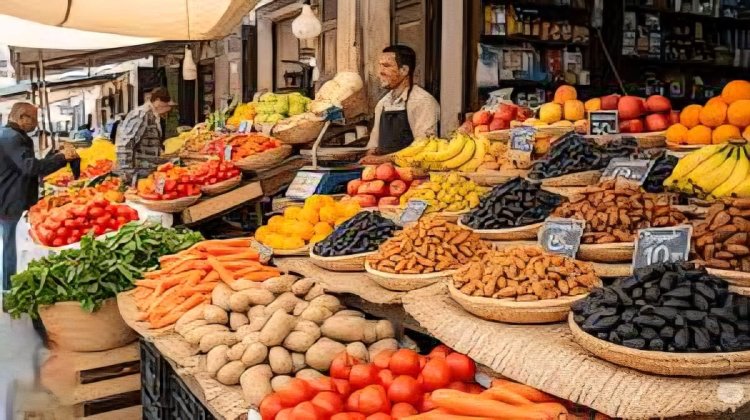
Local fish prices in Bahrain have recorded a noticeable increase in recent weeks, driven primarily by adverse weather conditions that have disrupted fishing activity. In contrast, vegetable prices have remained broadly stable, despite some seasonal fluctuations and short-term increases at wholesale markets.
Fish market insights
Strong winds and rainfall have significantly slowed fishing operations, leading to a reduced supply of locally caught fish and pushing prices upward. One of the most notable changes has been seen in Bahraini Safi, which recently reached BD 3 per kilogram, compared to prices below BD 2 per kilogram earlier.
While locally sourced fish prices have risen, imported fish prices have remained stable, as overseas supply chains are not affected by domestic weather conditions. Demand for fish has also remained strong, supported in part by higher consumption during the New Year holiday period, further contributing to price pressure in the local market.
Vegetable market insights
The fruit and vegetable market has largely maintained price stability, with supply influenced mainly by seasonal factors rather than sudden disruptions. Core vegetables such as tomatoes, carrots, and potatoes have continued to trade at steady levels, currently averaging around BD 1.2 per 3 kg for tomatoes, BD 0.5 per kg for carrots, and BD 1.2 per 5 kg for potatoes.
Despite this overall stability, vegetable prices at Al Sailiya Central Market have increased by nearly 30% compared to a month ago, reflecting short-term seasonal adjustments. Looking ahead, the vegetable market is expected to post a volume growth of approximately 1.7% in 2026, suggesting a relatively steady supply environment in the medium term.
Overall, Bahrain’s fish and vegetable markets continue to experience dynamic price movements shaped by weather conditions, supply chain factors, and consumer demand, with imported goods playing a key role in balancing local shortages.