Saudi Arabia unveils $5.3bn Syria investment package, launches flynas Syria
 supriyatunk
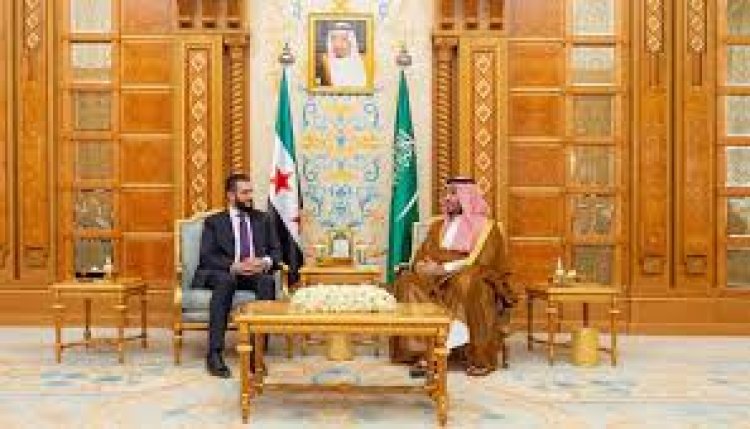
Saudi Arabia and Syria’s interim government have signed a multi-billion-dollar investment package, marking the largest foreign capital influx into Syria since US sanctions were lifted in December 2025. Signed on February 7, 2026, the agreements position Riyadh as a central player in shaping Syria’s post-conflict reconstruction and economic recovery.
The total value of the newly announced deals stands at $5.3 billion (SAR 20 billion), bringing overall Saudi investment pledges in Syria since 2025 to approximately $16 billion.
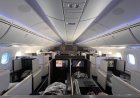
The aviation sector forms a key pillar of the package, with the launch of flynas Syria, also referred to as Nas Syria, a new low-cost private airline. The carrier will operate as a joint venture between Saudi airline flynas, which will hold a 49 percent stake, and the Syrian General Authority of Civil Aviation, which will hold 51 percent.
Operations are scheduled to begin in the fourth quarter of 2026. The airline is expected to start with more than a dozen aircraft, connecting Syria to major hubs across the Middle East, Africa, and Europe, restoring vital air links, and supporting trade and tourism flows.
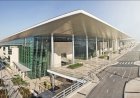
Infrastructure modernization is another major focus. The Saudi-linked Elaf Fund has committed SAR 7.5 billion (around $2 billion) to develop and modernize two airports in Aleppo, including Aleppo International Airport. The upgrade aims to raise capacity to 12 million passengers annually, transforming Aleppo into a regional connectivity hub.
In the digital sphere, stc Group is leading the $1 billion SilkLink telecom project. The initiative includes laying more than 4,500 kilometers of fiber-optic cables, positioning Syria as a strategic data transit corridor linking Asia and Europe.
In the utilities sector, ACWA Power and the Saudi Water Transmission Company signed a memorandum of understanding to develop water infrastructure projects. Plans include a proposed seawater desalination plant aimed at supplying fresh water to southern Syria, addressing long-standing shortages.
The investment wave aligns with Saudi Vision 2030 goals by expanding the kingdom’s economic footprint, strengthening regional trade corridors, and supporting stability in a recovering Syria. Analysts say the package reflects a broader regional realignment, with Gulf capital playing an increasingly prominent role in post-conflict reconstruction and infrastructure modernization.
As Syria reopens to international investment, Riyadh’s early and substantial commitments position it as a key architect of the country’s next economic chapter.