Oman Hotels Post Record Revenue Growth as Travel Demand Surges in 2025
 Ashwini Gambo
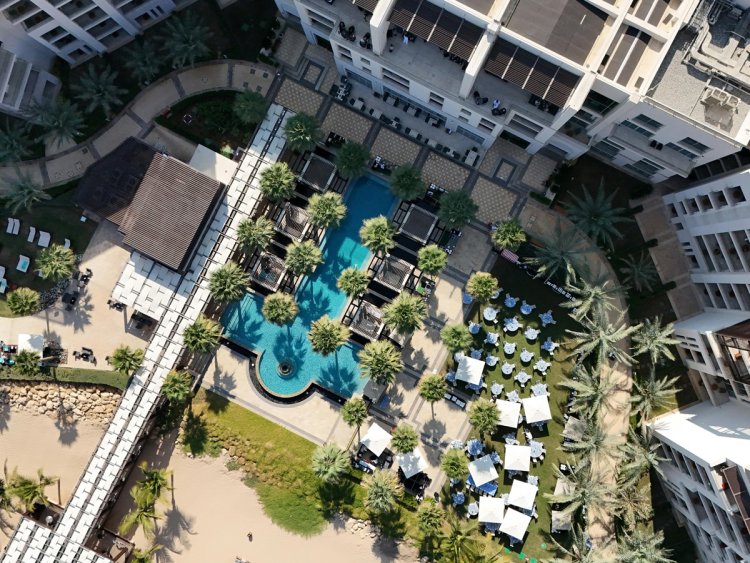
Oman’s hospitality sector delivered its strongest performance on record during the first nine months of 2025, driven by rising domestic and international travel, higher hotel occupancy, and steady investment across the tourism ecosystem.
According to new research by Cavendish Maxwell, hotel revenues climbed more than 18% year-on-year, reaching OMR193.4 million ($505 million) by the end of September. This marks the highest nine-month revenue total ever recorded for the Sultanate’s hotel industry.
Room revenues were a major contributor, increasing by nearly 21%, while hotel employment rose 5.3%, reflecting growing service demand and operational expansion. Average occupancy reached 52.8%, up 13% compared to the same period in 2024, indicating that hotels are successfully absorbing new supply and extending performance beyond traditional peak seasons.
“Oman’s hospitality industry performed strongly to the end of Q3 2025, with robust demand from domestic and international travellers,” said Khalil Al Zadjali, Head of Oman at Cavendish Maxwell. “Government investment, population growth, targeted marketing initiatives and evolving travel patterns are all playing key roles in the success of the sector, which is set to enjoy further growth, resilience and diversity in 2026 and beyond.”
Airports Attract Rising Passenger Traffic-
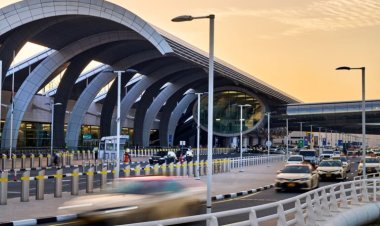
Oman’s airports handled 11.2 million passengers between January and September 2025, a 0.7% increase compared with the same period last year, according to Civil Aviation Authority data. Despite limited operations at Suhar International Airport, total passenger volumes are projected to reach 14.6–14.9 million by year-end, up from 14.5 million in 2024.
Muscat International Airport continued to dominate, accounting for 9.8 million passengers, or nearly 87% of total traffic. Salalah International Airport followed with 1.4 million passengers, with more than 20% arriving during the Khareef season, a key driver of tourism and hotel demand in the Dhofar Governorate.
Domestic Tourism Remains a Key Pillar-
Guest arrivals at 3–5 star hotels reached 1.7 million during the first nine months of 2025, representing a 9% increase year-on-year. Omani nationals made up 38% of total guests, highlighting the continued strength of domestic tourism.
European visitors ranked second at 24.7%, followed by travellers from Asia (14.4%) and the GCC (9.9%). Other Arab nationals accounted for 4.5%, with the remainder coming from the Americas, Oceania and Africa.
Government-led initiatives such as #WithinOman and the Experience Our Winter campaign have helped stimulate travel demand, broaden the visitor mix, and reduce seasonal volatility.
Stable Room Rates Support Occupancy Strategy-
The average room rate (ARR) across 3–5 star hotels stood at OMR45.3 ($117), just 1.3% higher than a year earlier. This stability suggests operators are prioritising occupancy growth and revenue optimisation over aggressive price increases.
Room rates peaked in April, followed by February and August, reflecting demand linked to public holidays and the Khareef season.
Expanding Supply Underpins Long-Term Growth-
Oman’s hotel inventory reached 36,300 rooms by the end of the third quarter, with around 1,000 additional rooms expected to be completed before year-end. A further 3,000 rooms are scheduled to open by 2027, bringing total capacity to 40,300 rooms.
Supporting this expansion, the Ministry of Heritage and Tourism signed 36 usufruct agreements valued at OMR100 million ($260 million). These projects include hotels, resorts and integrated tourism complexes across multiple governorates, enhancing geographic and product diversity.
Positive Outlook for 2026 and Beyond-
Analysts expect Oman’s hospitality sector to maintain steady momentum into 2026, supported by resilient international arrivals, strong domestic demand and continued infrastructure investment. The market’s ability to absorb new capacity efficiently points to a sustainable growth trajectory.
With coordinated government initiatives, rising private investment and expanding regional connectivity, Oman’s tourism industry is entering a new phase of balanced expansion, positioning the Sultanate as a competitive, year-round destination in the Middle East.