Did the Wicked press tour cost Ariana Grande and Cynthia Erivo their Oscar chances?
 supriyatunk
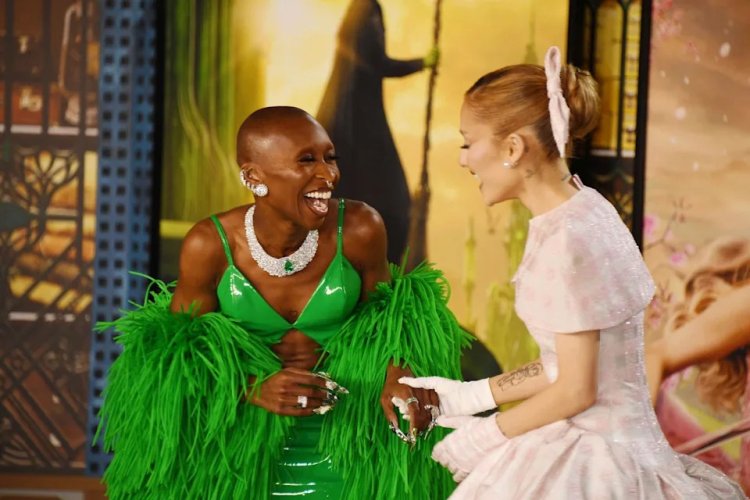
The absence of Ariana Grande and Cynthia Erivo from the 2026 Oscar acting nominations didn’t just raise eyebrows; it exposed a simmering tension about how much everything outside the film now matters during awards season.
Both actresses were widely tipped as contenders for their performances in Wicked: For Good, the highly anticipated follow-up to 2024’s blockbuster adaptation. Instead, their names were missing when nominations were announced, prompting confusion, frustration and, now, controversy.
According to comments from multiple Academy voters cited by NewsNation, the snub may have had less to do with the film itself and more to do with the intense promotional campaign that surrounded it.
When visibility becomes vulnerability
One anonymous voter claimed that Grande and Erivo’s highly visible press appearances became a distraction rather than an asset. While their performances as Glinda and Elphaba were praised, the voter suggested that their off-screen dynamic unsettled some members of the Academy.
Several voters reportedly took issue with what they described as the duo’s constant proximity during press events. One source characterized Erivo’s frequent presence alongside Grande as “bizarre,” while another alleged that the actresses appeared to be “trying to go viral,” shifting attention away from the film and onto their personal rapport. The criticism, notably, was not centered on acting ability but on perception.
A film overshadowed by its campaign
Wicked: For Good entered awards season with high expectations, buoyed by the success of its predecessor. However, one voter suggested that despite the actresses’ strong chemistry, the characters spend significant portions of the film apart, a factor they claimed diluted the emotional impact.
Others were more blunt. One voter said they were “completely turned off” by the press tour, arguing that the actresses’ fragile appearances became the dominant narrative. Another went further, claiming the film itself “wasn’t that good” and that Grande and Erivo “sucked the air out of every red carpet,” creating voter fatigue. The implication was clear: voters didn’t want to reward a campaign they found exhausting.
Backlash and accusations of bias
Those remarks sparked swift backlash online, particularly on X, where many users questioned why promotional behavior should influence an acting vote at all. “The way this has nothing to do with the acting… never vote again,” one user wrote.
Others pushed back against what they saw as coded criticism of intimacy and friendship. “Calling two kind, unproblematic people ‘creepy’ for being close is insane,” another user posted.
Several commentators also highlighted what they perceived as a gendered double standard, noting that male actors often escape scrutiny for far more controversial behavior without seeing their awards prospects damaged.
Silence from the Academy
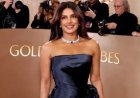
The Daily Mail reported that representatives for the Academy had been contacted for comment, but no response had been issued at the time of publication. While Grande ultimately missed out on an Oscar nomination, she did receive a Golden Globe nod earlier in the season, though she did not win.
The bigger question
Beyond Wicked, the controversy has reignited a long-running awards-season debate: where does performance end and perception begin?
In an era where press tours are designed for virality and personal branding is inseparable from promotion, the line between celebrating a film and overexposing it has never been thinner. Whether Grande and Erivo crossed that line or were unfairly punished for visibility remains deeply contested.
What’s clear is that in today’s Oscar race, the performance alone may no longer be enough.