Saudi Vision 2030 reforms, not roads, drive Bloomberg’s King Fahd Road references
 supriyatunk
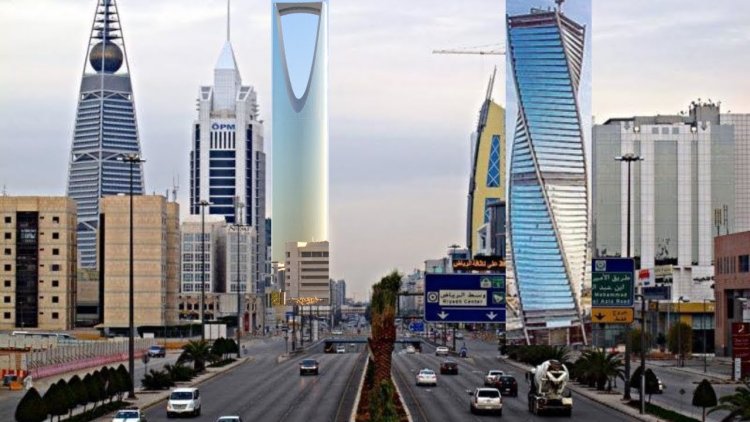
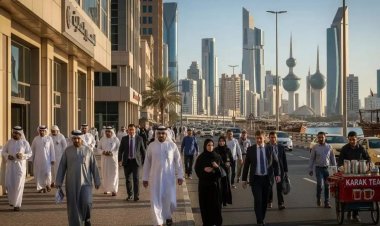
The recurring mention of King Fahd Road in Bloomberg’s recent coverage is largely geographical rather than project-specific, serving as a reference point for discussions around Saudi Arabia’s sweeping economic reforms, private-sector expansion, and global partnerships under Vision 2030.
While King Fahd Road is one of Riyadh’s most important urban transport arteries, symbolizing the city’s rapid growth and modernization, the focus of current reporting is not on the motorway as a standalone investment project. Instead, it anchors broader narratives on how Saudi Arabia is reshaping its economy, regulatory environment, and investment ecosystem.
Private-sector growth and global partnerships under Vision 2030
Saudi Arabia’s Vision 2030 strategy aims to reduce reliance on oil by unlocking private-sector participation and attracting foreign capital. Several major initiatives are driving this shift.
One of the most significant developments is market liberalization. As of February 1, 2026, Saudi Arabia has fully opened its stock market, Tadawul, to all foreign investors. This move is designed to boost capital inflows, improve transparency, and deepen integration with global financial markets.
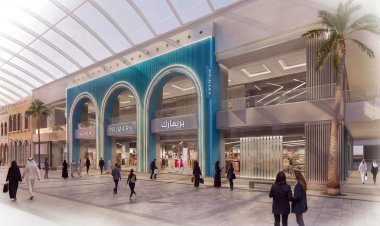
At the same time, the Kingdom is undertaking large-scale infrastructure investment across transportation, real estate, and tourism. Mega-projects such as NEOM, Qiddiya, and New Murabba rely heavily on public-private partnerships (PPPs) and international investment. The government plans to raise approximately $36 billion over the next decade for transportation infrastructure alone, through a mix of public funding and private-sector participation.
To support this investment push, Saudi Arabia has accelerated regulatory modernization. Streamlined approval processes, enhanced disclosure requirements, and closer alignment with international legal standards have been key priorities. The Private Sector Participation (PSP) Law of 2021 provides a clear legal framework for PPPs, including protections for investors and provisions for international arbitration.
Key sectors attracting global partners
Vision 2030 has opened up partnership opportunities across several high-growth sectors.
In technology and artificial intelligence, collaborations with global players such as AMD, Oracle, and AWS are accelerating the Kingdom’s digital transformation agenda.
The renewable energy sector is another major focus, with Saudi Arabia targeting 50 percent of its power generation from renewable sources by 2030. Large-scale solar and wind projects are being developed with international firms, including Masdar and Marubeni.
Meanwhile, healthcare and education are seeing increased private-sector involvement through PPP models, as the government looks to expand capacity while improving efficiency and service quality.
King Fahd Road’s role in Riyadh’s urban landscape
King Fahd Road remains a critical spine of Riyadh’s urban fabric, linking the capital’s northern and southern districts and supporting its role as a commercial and financial hub. Urban development regulations along the corridor are designed to encourage growth that matches its strategic importance while maintaining smooth traffic flow and pedestrian accessibility.
In this context, references to King Fahd Road in international business reporting function primarily as contextual markers, grounding discussions of Saudi Arabia’s economic transformation within the physical landscape of a rapidly evolving capital city.