Airport shopping habits shift as electronics rise and traditional categories lose ground: ACI study
 supriyatunk
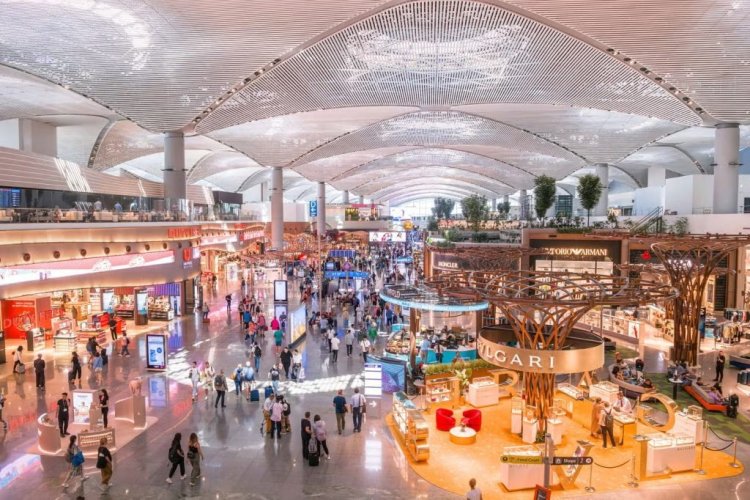
From confectionery to electronics, airport shopping baskets are evolving rapidly, with some traditional retail categories losing ground, according to a new study by Airports Council International (ACI) Asia-Pacific & Middle East.
The study, titled Travel Retail Study in the Post-Pandemic Era, analysed retail trends across 36 major airports in 21 countries and surveyed 4,000 passengers. It found that, across both regions, airport retail performance has shown striking consistency, with spending behaviour in 2025 closely mirroring patterns seen in 2019.
Luxury goods and perfumes and cosmetics continue to dominate airport retail, ranking as the top two categories in both Asia-Pacific and the Middle East. Electronics typically place third, driven by pricing advantages and last-minute convenience. Together, these three categories generate the highest net margins for airports, reinforcing the role of terminals as trusted destinations for premium, duty-free and gifting purchases.
Regional differences emerge
Despite overall similarities, the study highlights clear regional preferences. In the Middle East, retail spending is weighted towards books and magazines, fragrances and confectionery, reflecting strong gifting traditions among travellers. In contrast, Asia-Pacific airports see higher demand for luxury goods, local products and alcohol, particularly from outbound leisure travellers.
Electronics gain momentum
One of the most notable shifts is the growing popularity of electronics. In the Middle East, per-passenger spending on electronics has risen by 14 percent compared with 2019, as travelers increasingly look for airport-exclusive products and price advantages not always available in city malls.
Impulse buying still dominates
Despite increased digital engagement before travel, airport shopping remains largely impulsive. Around 70 per cent of purchases are made on impulse, with product choice (39 per cent) and pricing or promotions (29 per cent) accounting for nearly 70 per cent of buying motivation. Store experience alone influences just 16 per cent of purchasing decisions.
Sustainability gap
The study also points to a growing disconnect around sustainability. While 65 per cent of Gen Z travellers say they are willing to pay more for sustainable products, only 20 per cent of airports currently view sustainability as a core retail driver, highlighting a gap between traveller expectations and airport retail strategies.
As airports become increasingly reliant on non-aeronautical revenues, understanding shifting shopping behaviours, what travellers buy, and what they leave behind, is becoming as critical as tracking passenger numbers themselves.