US Announces Transitional Role in Venezuela Following Maduro Arrest
 Ashwini Gambo
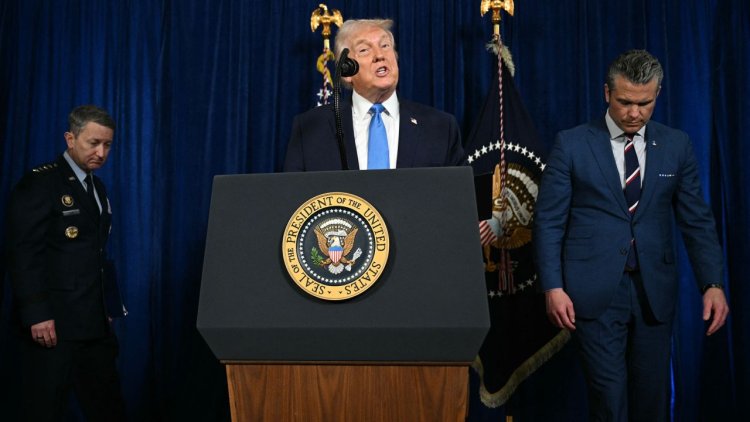
US President Donald Trump said on Saturday that the United States would temporarily run Venezuela and tap its vast oil reserves for international sale, hours after a military operation removed Venezuelan leader Nicolás Maduro from power and took him out of the country.
The announcement followed months of escalating pressure by the Trump administration on Caracas, culminating in what US officials described as a decisive effort to force regime change. Speaking to reporters after Maduro’s capture, Trump said Washington would use the leadership vacuum to “fix” Venezuela’s oil infrastructure and sell “large amounts” of oil to other nations.
“We’re going to run the country until such time as we can do a safe, proper and judicious transition,” Trump said during a news conference at his Mar-a-Lago residence. He described the operation as “extremely successful” and said it should serve as a warning to those who threaten US sovereignty or American lives.
Venezuela’s vice president rejected the move in a televised address, demanding Maduro’s immediate release and describing him as the country’s rightful leader. Despite Trump’s claims that the United States was already helping to govern Venezuela, there were no immediate indications of a formal transfer of control. State television in Venezuela continued broadcasting pro-Maduro programming, including live coverage of protests by supporters in Caracas.
Maduro and his wife, Cilia Flores, were seized overnight from their residence on a military base and transported aboard a US warship en route to New York, where they are expected to face prosecution. The US Justice Department has accused them of participating in a long-running narco-terrorism conspiracy, allegations first brought against Maduro in 2020.
On Saturday, the Justice Department released a new indictment against Maduro and Flores, describing Venezuela’s government as corrupt and illegitimate and alleging it was sustained through drug trafficking networks that funneled cocaine into the United States. The US government has long said it does not recognize Maduro as Venezuela’s legitimate leader.
The legal authority cited for the operation was not immediately disclosed. The Trump administration said the action, along with earlier deadly strikes on vessels in the Caribbean Sea, was necessary to disrupt illegal drug flows into the United States.
Trump later posted a photograph on social media showing Maduro aboard the USS Iwo Jima, wearing a sweatsuit and a blindfold. The operation followed a months-long US military buildup off South America and attacks on ships accused of transporting narcotics in the eastern Pacific and Caribbean.
US intelligence agencies were also linked to a recent drone strike on a docking facility believed to be used by Venezuelan drug cartels, marking what officials described as the first direct operation on Venezuelan soil since US strikes began in September.