Strait of Hormuz disruption pushes global energy markets into crisis
 supriyatunk
The war triggered by strikes on Iran by the United States and Israel has pushed one of the world’s most critical maritime chokepoints. the Strait of Hormuz, to the centre of a rapidly escalating global energy crisis.
Tanker traffic through the narrow passageway has dropped sharply as shipping companies suspend operations and insurers withdraw coverage, raising fears of a prolonged disruption to global energy supplies. The decline in maritime activity has already sent oil prices surging and forced Gulf producers to cut exports.
Shipping activity through the strait has fallen by as much as 90 percent, according to shipping analytics firm Kpler, as shipowners grow increasingly reluctant to risk vessels in waters threatened by missiles, drones, and possible naval confrontation.
The disruption has had an immediate impact on global oil markets. Crude prices surged above $100 per barrel and briefly approached $120, reflecting market fears that a prolonged interruption could restrict a significant share of the world’s energy supply.
The mounting crisis has triggered urgent international discussions aimed at keeping the shipping route open. The United States has indicated that its navy could escort oil tankers through the strait to ensure safe passage, while France and other allied nations are exploring a coordinated maritime mission to gradually restore commercial traffic.
At stake is the continued flow of energy from the Gulf region to the global economy.
Why the Strait of Hormuz is critical
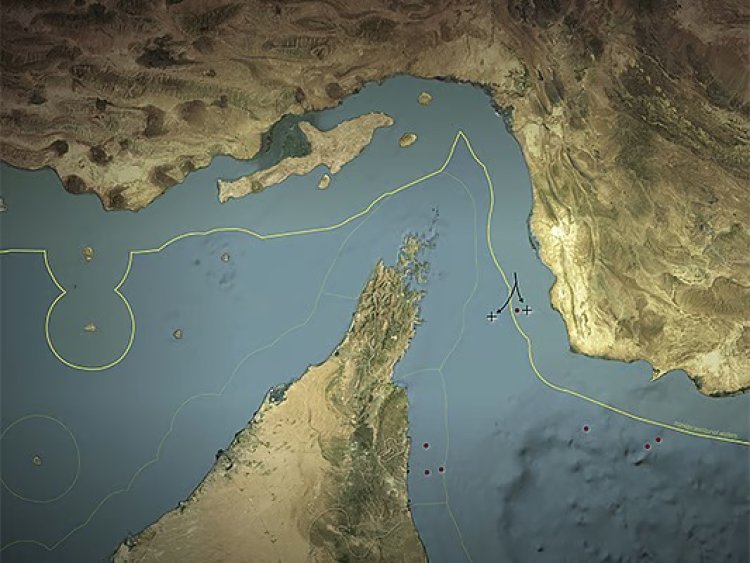
The Strait of Hormuz is a narrow maritime passage linking the Arabian Gulf to the Gulf of Oman and the Arabian Sea. It serves as the only sea route through which oil and gas produced in the Gulf can reach international markets.
Geographically, the strait lies between Iran to the north and Oman’s Musandam Peninsula to the south, with the United Arab Emirates located just west of the waterway.
At its narrowest point, the channel measures about 33 kilometers across. However, the shipping lanes used by tankers are far narrower, with only a few kilometers available for vessels traveling in each direction.
Despite being bordered by the territorial waters of Iran and Oman, the strait is legally recognized as an international transit route, allowing commercial vessels from all countries to pass through it.
With tensions continuing to rise in the region, the future of this vital maritime corridor has become a major concern for governments, energy producers, and global markets alike.