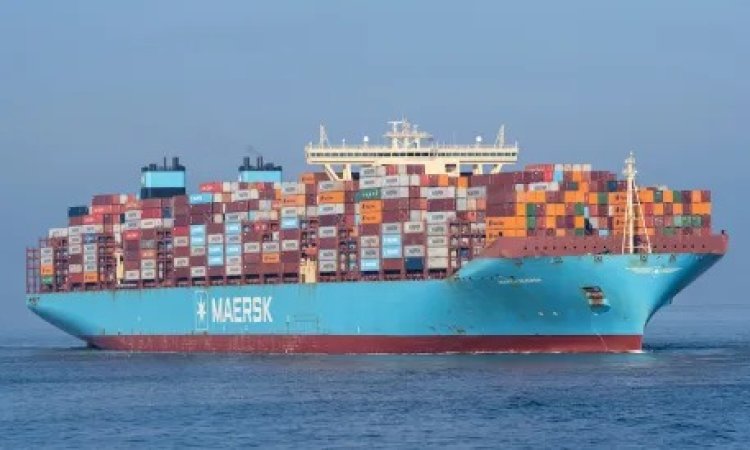
Rising shipping costs triggered by the conflict involving Iran are expected to ripple through global supply chains and eventually reach consumers, according to the head of one of the world’s largest shipping companies.
Vincent Clerc, chief executive of Maersk, said transport cost increases caused by the war will ultimately be reflected in the prices paid by shoppers around the world.
Speaking in an interview with the BBC, Clerc explained that the company uses a pricing system that automatically passes fluctuations in fuel and logistics costs through to customers.
“So what it means is that ultimately, in this case, these increases will pass to our customers and will pass on to the consumers,” he said.
Energy prices driving transport costs
The warning comes during a period of heightened disruption across major global shipping routes following the outbreak of hostilities involving Iran. Energy prices have been one of the immediate drivers of rising transport costs.
Oil prices briefly surged close to $120 per barrel after the conflict began before easing slightly. Even after the pullback, crude remains roughly 20 percent higher than levels seen before the war.
Fuel represents one of the largest operating expenses for shipping companies, meaning spikes in oil prices can quickly translate into higher freight rates.
Clerc said the additional costs already affecting the industry are significant. The increase amounts to roughly $200 for a standard 20-foot container, which can result in freight charges rising by about 15 to 20 percent depending on the route and cargo.
Disruptions across key trade routes
Container shipping plays a vital role in the global economy, transporting goods such as clothing, electronics, toys, and household products between continents. Trade flows across the Middle East have been heavily affected by the conflict.
Traffic through the Strait of Hormuz has slowed dramatically following rising tensions. The narrow waterway normally carries about one-fifth of the world’s oil supply. Shipping lines have also been avoiding routes through the Red Sea because of security threats linked to attacks on vessels in the region.
These disruptions have forced many companies to reroute ships along longer and more expensive journeys around the Cape of Good Hope at the southern tip of South Africa. Clerc said the situation has had a major operational impact on shipping networks worldwide.
Supply chain pressure and delays
The disruption has made it difficult for many companies to receive regular shipments and has created logistical challenges in regions that rely heavily on imported food.
Shipping firms are working to keep essential supplies moving so that supermarket shelves remain stocked. In some cases, alternative transport routes have been used to maintain deliveries, including trucks and rail connections.
Clerc said these measures have helped maintain the flow of essential goods, although land transport cannot match the massive volumes carried by large container vessels.
He added that while capacity remains available to move priority shipments, some export categories may face delays. Petrochemical shipments, for example, may need to wait while logistics networks prioritize critical goods such as food and essential supplies.
Governments including the United States and France have suggested that naval escorts could help reopen the region’s key shipping lanes. However, Clerc warned that the narrow geography of the Strait of Hormuz could make permanent military protection difficult.
Shipping data highlights the scale of the disruption. More than 130 vessels were reported stranded in the Gulf earlier this week as companies reassess routes in response to the evolving security situation.
If the conflict continues to affect major maritime corridors, analysts warn that higher freight costs could increasingly filter through global supply chains, eventually showing up in the prices consumers pay for everyday goods.

 supriyatunk