
2026 Grammys return to full-scale celebration: what to know, how to watch and who’s performing
 supriyatunk
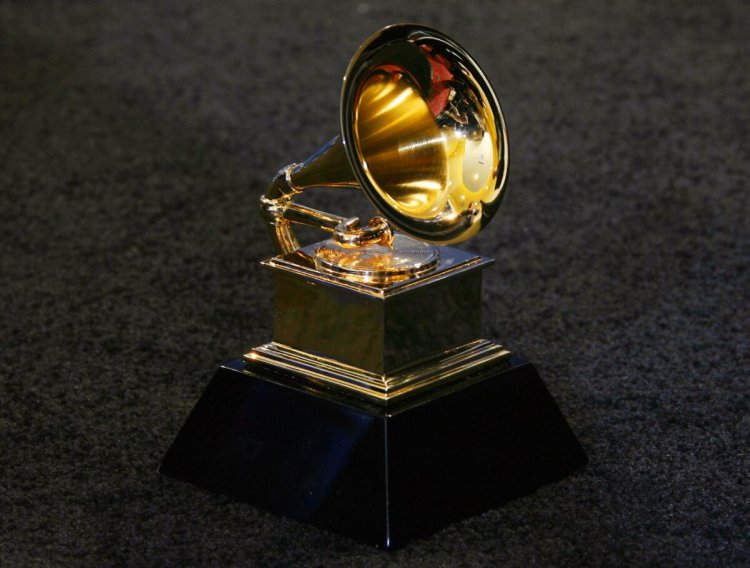
The 2026 Grammy Awards arrive with something the music industry hasn’t felt in a while: momentum.
After last year’s ceremony was reshaped to center wildfire relief efforts in Los Angeles, Sunday’s Grammys mark a return to full spectacle, but with a noticeably different tone. This isn’t just music’s biggest night going back to business as usual. It’s a reset.
“I think we will see some history-making moments,” Recording Academy CEO and President Harvey Mason Jr. said ahead of the ceremony. And this year, that promise feels less like hype and more like a reflection of how dramatically the industry has shifted.
A year of blurred genres and broken lanes
The 2026 nominations reveal a music landscape that no longer plays by neat category lines. Artists are appearing in genres they’ve never touched before, and crossover success is no longer the exception; it’s the expectation.
Kendrick Lamar leads the field with nine nominations, once again dominating across rap, pop-adjacent, and top-tier general categories. His presence underscores a familiar Grammy reality: hip-hop is no longer knocking on the door of the mainstream; it is the mainstream.
At the same time, the nominee list is packed with artists who reflect how music now travels: online-first, borderless, and driven by fandom rather than radio cycles.
Best New Artist, centre stage
In a rare move, all eight Best New Artist nominees will perform during the telecast. The decision signals a deliberate shift in priorities, spotlighting emerging voices rather than leaning solely on legacy acts.
From global girl group Katseye to internet-era breakout names like Addison Rae and sombr, the category reads less like a genre checklist and more like a snapshot of how listeners actually discover music in 2026. It’s also a reminder that the Grammys are trying visibly to stay in step with cultural reality.
Familiar stars, strategic moments
While newcomers take center stage, established stars are making carefully chosen appearances. Justin Bieber’s return to the Grammy stage after four years away is among the most closely watched moments of the night, as is Sabrina Carpenter’s continued awards-season ascent.
The in memoriam segments, featuring tributes to Ozzy Osbourne, D’Angelo, and Roberta Flack, balance the night’s forward momentum with reflection, grounding the show in music’s long arc, not just its current algorithm.
Trevor Noah’s final bow
Hosting duties once again fall to Trevor Noah, but this time, with a sense of finality. His sixth consecutive stint marks his last as Grammy host, closing a chapter that helped redefine the show’s tone during years of cultural and industry upheaval.
In an era where awards shows often struggle for relevance, Noah’s tenure brought balance: informed but playful, respectful without reverence. His departure raises a quiet but looming question: what does the Grammys’ next era look like?
More than a ceremony
For viewers, the Grammys remain a night of performances, fashion, and trophies. For the industry, they are something else entirely: a temperature check.
Who wins, who loses, and who gets the biggest moments onstage will shape narratives that ripple far beyond Sunday night. Careers are reframed here. Genres are validated. New hierarchies are formed.
After a year of disruption, recalibration, and cultural fatigue, the 2026 Grammys aren’t just handing out awards. They’re making a statement about where music is headed, and who gets to lead it there.