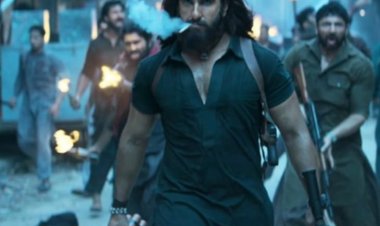
After Tumbbad, Rahi Anil Barve returns with Mayasabha , and Jaaved Jaffrey’s transformation is unsettling
 supriyatunk
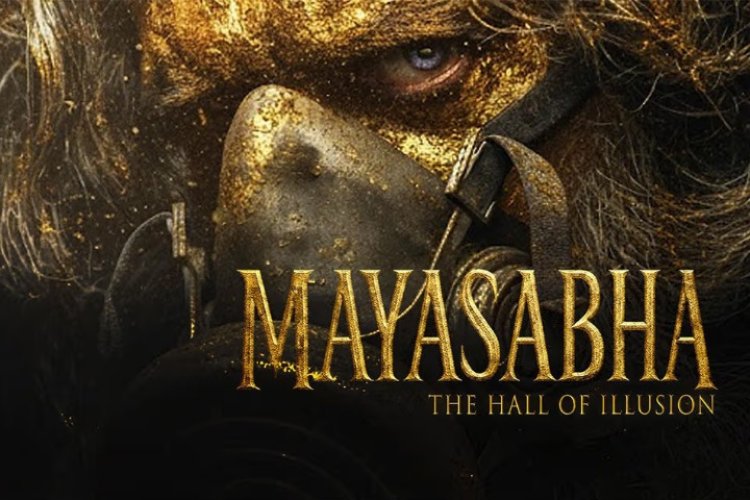
Eight years after Tumbbad reshaped the language of Indian indie horror, director Rahi Anil Barve is back, and his next project, Mayasabha, is already generating an uneasy kind of fascination. At the center of the buzz is Jaaved Jaffrey, whose chilling, unrecognizable transformation signals one of the most unexpected reinventions in recent Hindi cinema.
Best known for his razor-sharp comic timing, satire, and pop-cultural humor, Jaffrey appears to have shed every trace of familiarity in Mayasabha. Early glimpses and set whispers suggest a performance that leans heavily into psychological darkness, restraint, and menace, a far cry from the performer audiences have known for decades. It’s not just a tonal shift but a complete erasure of persona, and that’s precisely what’s making the role so compelling.
Barve, whose Tumbbad earned cult status for its mythological horror, visual patience, and moral allegory, has remained largely absent from feature filmmaking since 2018. His return with Mayasabha is therefore being read as a statement rather than a sequel, a continuation of his obsession with power, decay, and the human cost of ambition, but through an entirely new lens.
Industry insiders describe Mayasabha as a film that blends folklore, politics, and psychological horror, anchored by performances that are deliberately uncomfortable to watch. In that context, Jaffrey’s casting feels almost provocative, an actor synonymous with laughter now positioned as a source of dread.
This isn’t nostalgia, and it isn’t stunt casting. If Mayasabha delivers on its promise, it could mark not just Barve’s long-awaited return but also the most radical chapter of Jaaved Jaffrey’s career, a reminder that reinvention, when done right, can be far more unsettling than familiarity.