
gulf countries intensify migrant worker checks as indian deportations rise in 2025
 supriyatunk
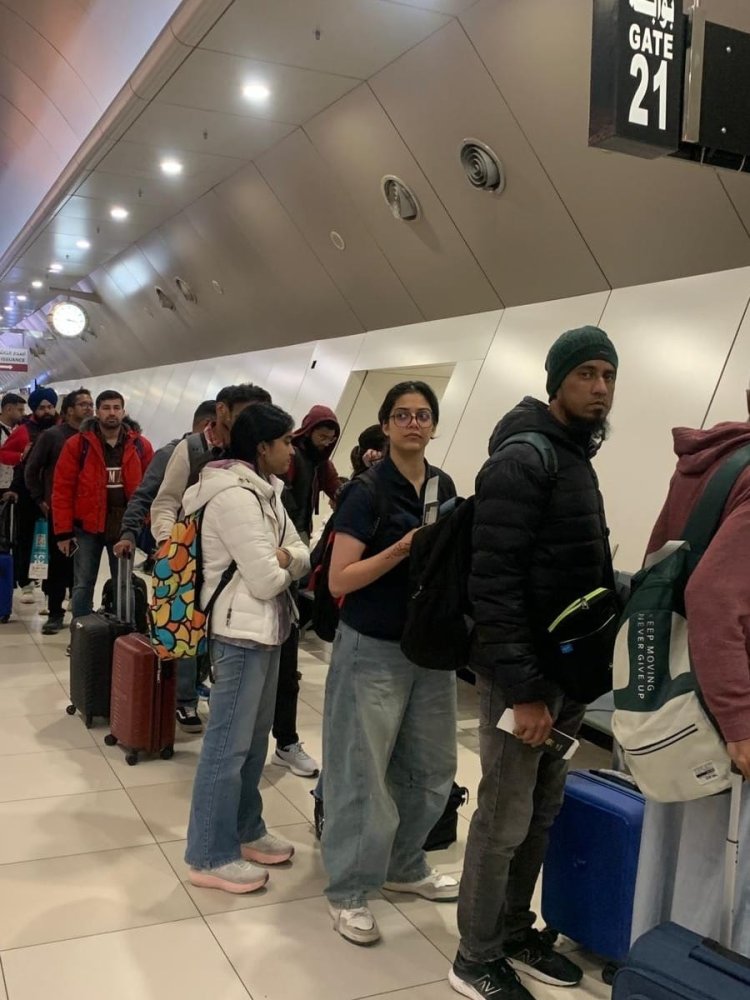
Many Gulf Cooperation Council (GCC) nations increased their enforcement of labor and immigration laws in 2025, which led to the deportation of thousands of migrant workers, many of whom were Indian nationals. Saudi Arabia, the United Arab Emirates (UAE), and Bahrain were among the key countries that carried out large-scale deportations as part of larger compliance and security initiatives.
According to official data from India's Ministry of External Affairs, Saudi Arabia had the highest number of Indian deportations within the GCC, with more than 11,000 Indian nationals sent back this year. The figure depicts increased inspections of workplaces, residential areas, and public spaces in order to identify individuals who are breaking residency and labor laws.
Visa overstays, expired residency permits, unauthorized employment, and work permit violations were identified as the leading causes of deportation throughout the region. Gulf authorities have repeatedly warned that failure to regularize legal status will result in detention, fines, and eventual removal from the country.
In 2025, the UAE also carried out large-scale operations targeting residency violators, particularly those who overstayed their visit visas or worked without valid permits. Bahrain took similar enforcement measures, focusing on labor market regulation and compliance with sponsorship rules.
Officials in the Gulf say the measures are part of ongoing efforts to regulate labor markets, improve workforce documentation, and combat illegal employment practices. While several countries have implemented labor reforms and digitalized visa systems, enforcement actions have persisted alongside policy changes.
Indian migrant workers, who make up one of the largest expatriate communities in the gcc, are particularly affected because they work in construction, domestic work, hospitality, and other labor-intensive industries. Indian embassies and consulates in the region have advised citizens to keep their visas and work permits valid and to seek assistance through official channels in the event of a dispute or legal issues.
According to experts, rising deportation rates highlight the importance of increased pre-departure awareness, transparent recruitment processes, and improved coordination between sending and receiving countries. As Gulf nations strive to balance economic reliance on foreign labor with stricter regulatory oversight, migrant workers seeking long-term employment stability in the region must continue to comply with immigration laws.