Dubai’s 2040 master plan: how the city is redesigning growth, mobility and quality of life
 supriyatunk
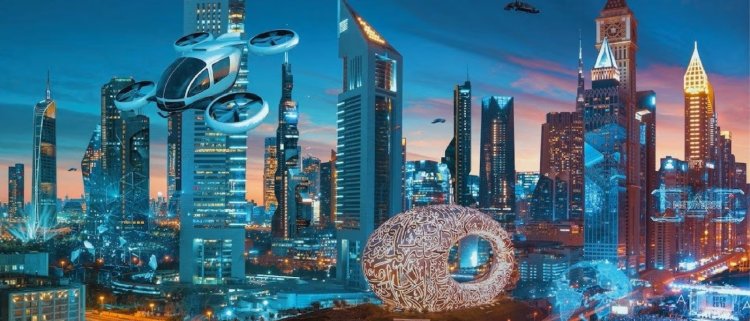
Dubai’s 2040 Urban Master Plan, launched in 2021 and now progressing through its second implementation phase in 2026, represents one of the most ambitious city re-engineering efforts in the world. Rather than expanding outward through unchecked sprawl, the strategy focuses on redesigning how the city grows, moves, and lives, placing people, accessibility, and sustainability at the center of development.
At the heart of the plan is the concept of the “20-minute city.” By 2040, Dubai aims for 80% of residents’ daily needs, including work, education, healthcare, leisure, and retail, to be accessible within a short walk or cycle. This shift marks a clear move away from car-dependent urban design toward compact, connected neighborhoods.
Green and open spaces form a key pillar of the strategy. While some social media narratives cite a 400% increase, official government targets point to a 105% expansion in green and recreational areas, alongside the allocation of 60% of Dubai’s total land area to nature reserves and rural zones. The goal is not only environmental sustainability but also improved physical and mental well-being for residents.
Public transport connectivity is another cornerstone. By 2040, 55% of Dubai’s population is expected to live within 800 meters of a major public transport station. Major infrastructure projects, including the 30-kilometer Dubai Metro Blue Line, half of which will run underground, are already under development to support this target and reduce reliance on private vehicles.
Population growth remains central to the plan’s design logic. Dubai’s population officially crossed 4 million in late 2025 and is projected to reach around 5.8 million residents by 2040. Higher figures often quoted publicly, such as 7.8 million, include the city’s daytime population, accounting for commuters, tourists, and business visitors. Planning for both resident and transient populations is a defining feature of the master plan.
One of the most tangible lifestyle upgrades comes from the coastline. Dubai has committed to expanding the length of public beaches by 400%, increasing access from approximately 21 kilometers today to 105 kilometers by 2040, a major shift toward inclusive, publicly accessible waterfronts.
Growth under the plan is deliberately decentralized across five specialized urban centers, each with a defined economic and cultural role. Deira and Bur Dubai focus on heritage and historic preservation. Downtown Dubai and Business Bay serve as the global financial and commercial core. Dubai Marina and JBR anchor tourism and leisure. Expo City drives exhibitions, logistics, and innovation, while the Dubai Silicon Oasis Centre concentrates on science, technology, and the knowledge economy.
Collectively, the 2040 Urban Master Plan reflects Dubai’s transition from rapid expansion to “smart ”density,” prioritizing walkability, mixed-use development, and high-quality urban living at scale. As implementation continues, the city is positioning itself not just as a global hub but as a model for how fast-growing cities can plan first and grow with purpose.