
Bahrain: All Systems Go as Smart Traffic Cameras Roll Out Nationwide
 Ashwini Gambo
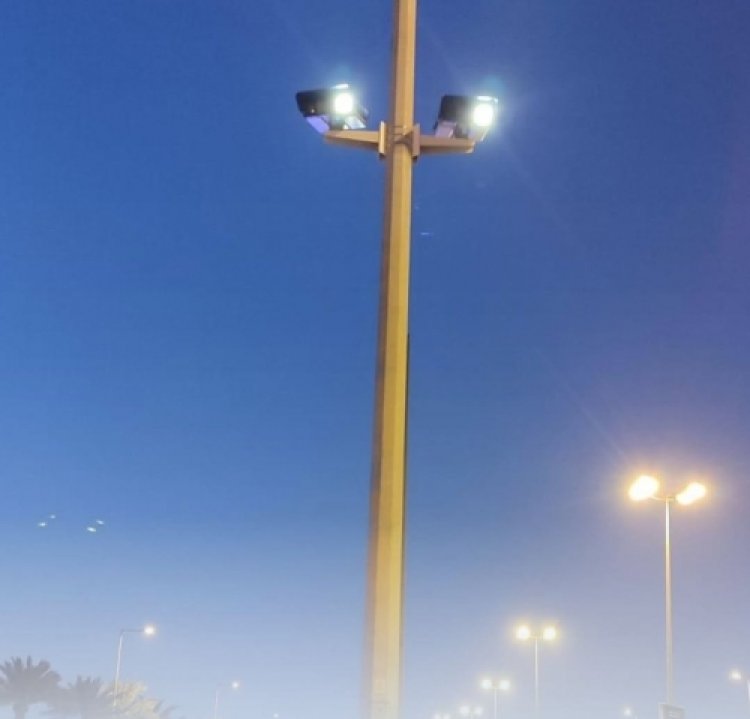
Bahrain’s roads are set for a major technological upgrade starting today, as the General Directorate of Traffic (GDT) rolls out the first phase of its smart traffic camera system across the Kingdom. The initiative aims to monitor traffic violations in real time and significantly enhance road safety.
The Ministry of Interior confirmed that the smart camera system is fully operational and efficient under all weather and traffic conditions. Authorities stated that public awareness campaigns will intensify in the coming days to ensure motorists understand which violations the new system can detect.
Rising Accident Concerns-
The launch comes amid a troubling start to the year, with four fatalities recorded in January due to traffic accidents. A collision in Al Qarah, Sakhir, claimed the lives of two Bahraini men aged 31 and 29, along with an eight-year-old child. In a separate incident in Isa Town, a 36-year-old Asian man died after losing control of his motorcycle. Investigations into both accidents are ongoing.
Public Participation Key-
Speaking to The Daily Tribune, Fayez Amin, Head of Media and Publishing at the GDT, stressed the importance of public cooperation in ensuring the system’s effectiveness.
“We urge all citizens and residents to update their contact details via the eTraffic or MyGov apps. Timely alerts will help drivers stay informed and allow authorities to respond immediately,” he said.
Wide Range of Violations Detected-
The smart camera system is capable of detecting numerous violations, including speeding, red-light violations, illegal use of emergency lanes, mobile phone use while driving, seatbelt violations, children sitting in the front seat, lane deviations, misuse of heavy vehicle lanes, window tint violations, repeated lane changes, and slow driving in the left lane.
Traffic Pressure and Tougher Penalties-
Traffic data from 2025 highlights the urgency of enhanced enforcement. By August, more than 783,500 vehicles were registered on Bahrain’s roads. Speeding accounted for 24–28% of violations, followed by red-light infractions at 16% and illegal parking at 12%. Other violations included expired vehicle registrations (9%), seatbelt non-compliance (4%), and mobile phone use (1%).
To reinforce compliance, authorities have introduced stricter penalties, including fines of up to BD10,000 and prison sentences of up to 10 years for severe traffic offenses.
With advanced technology and heightened public awareness working together, Bahrain aims to create safer roads for drivers, passengers, and pedestrians alike.