Bahrain and Saudi Arabian Grands Prix face uncertainty amid escalating Middle East tensions
 supriyatunk
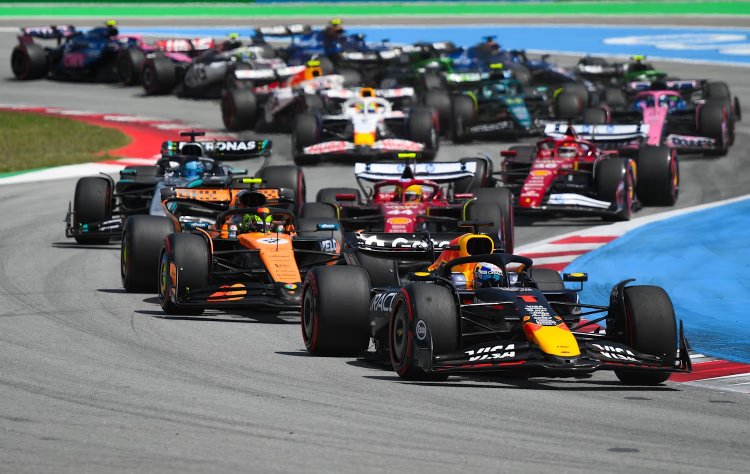
The upcoming Formula 1 races in the Gulf could face disruption as escalating tensions in the Middle East raise concerns about whether the events can proceed safely.
The Bahrain Grand Prix and the Saudi Arabian Grand Prix are both under scrutiny as the regional conflict involving the United States, Israel, and Iran continues to intensify.
Several Gulf states, including Bahrain and Saudi Arabia, have recently been affected by Iranian retaliatory missile strikes following air attacks carried out by US and Israeli forces on Iranian targets. The growing instability has raised questions about whether the two Formula 1 events can be held as scheduled.
Tight timeline for decision
The Bahrain race is currently scheduled to take place from April 10 to 12 at the Bahrain International Circuit, with the main race set for Sunday, April 12.
Just one week later, Saudi Arabia is due to host its race at the Jeddah Corniche Circuit from April 17 to 19, with the Grand Prix scheduled for Sunday, April 19.
However, Formula 1 organizers have a limited window to make a decision. The sport typically ships large amounts of race equipment by sea to the host countries, meaning a final call must be made roughly two weeks in advance.
If tensions in the region remain unresolved when that decision point arrives, the likelihood of the races taking place could decrease significantly.
Significant financial stakes
The two Gulf events are among the most lucrative races on the calendar. Reports suggest that the hosting fees paid by Bahrain and Saudi Arabia together exceed $100 million. If the races were cancelled, those payments would not be made, creating a major financial consideration for Formula 1. Despite the uncertainty, the current race calendar remains unchanged.
F1 monitoring the situation
In a statement, Formula One said it is closely monitoring the situation while prioritizing the safety of teams, drivers, and staff.
“Our next three races are in Australia, China, and Japan, not in the Middle East, and those races are not for several weeks,” the statement said.
“As always, we closely monitor any situation like this and work closely with relevant authorities and will always prioritize the safety and security of all those in the sport.”
Previous cancellations due to conflict
Formula 1 has previously canceled races when geopolitical tensions made it unsafe to proceed. The Bahrain Grand Prix was called off in 2011 during unrest linked to the Arab Spring protests in the country.
More recently, the Russian Grand Prix was cancelled in 2022 after Russia launched its invasion of Ukraine.
Those precedents suggest that Formula 1 organizers could take similar action if the current regional conflict continues to escalate or threatens the safety and logistics of hosting the race weekends.
For now, teams and organizers are waiting to see how the situation develops in the coming weeks before making a final decision on the two high-profile Gulf races.